Choosing a Niagara Falls Night Tour That Fits Your Evening
Start with the kind of evening you want
A niagara falls night tour can feel very different depending on how the evening is built. Some outings focus on the illuminated falls and easy viewpoints. Others add a boat cruise, a meal, or a broader route through the parks. Before comparing options, decide what you want the night to feel like. A relaxed stroll suits people who prefer fresh air and open views. A structured tour suits anyone who wants transport, timing, and commentary handled in advance.
Think about the people coming along. Children, older adults, and anyone with limited mobility may need shorter walks, frequent stops, and clear meeting points. A quiet photography focused evening is not the same as a lively outing with several stops. The best choice is the one that fits the group, not just the most impressive itinerary on paper.
Where you look matters too. Many visitors begin by comparing route details, timing, and included experiences on niagarafallstour.co, then match those details with their own plans. A clear starting point makes the rest of the decision much easier, because each tour has a different balance of views, movement, and waiting time.
Check the route and the main viewpoints
Read the route carefully and look for the places where the falls will actually be seen. A good night route should include time at a viewpoint rather than simply passing nearby. If the itinerary mentions a pedestrian promenade, consider how much walking is involved and whether the pace sounds comfortable. Waterfront paths can be beautiful after dark, but surfaces may be uneven, damp, or busy.
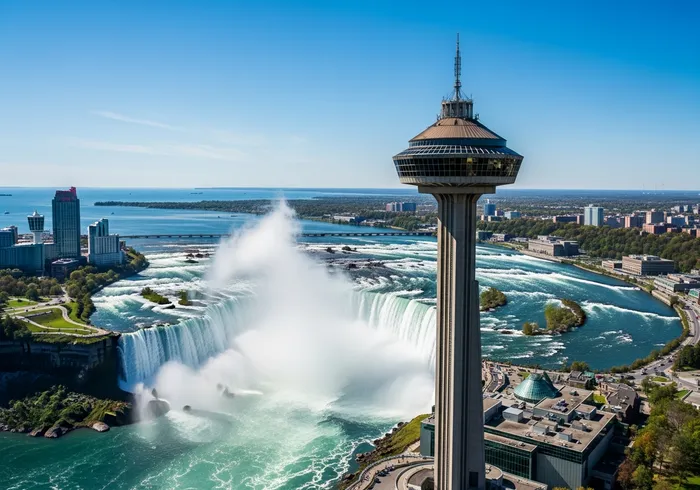
An observation deck can add a strong vantage point, especially when the falls are lit from below and the spray rises into the light. Check whether the deck is part of the route or only available as an optional stop. That distinction affects both the experience and the schedule. If a viewpoint is optional, build in extra time so the evening does not feel rushed.

Also look at where the tour begins and ends. A simple loop is easier to follow than a route that finishes far from the starting point. If you are staying nearby, confirm that the meeting area is practical to reach after dinner. If you are arriving from farther away, allow time for parking, transit, or a slow walk through the park area.
Match the timing with the lighting schedule
Night views depend on more than darkness. The lighting schedule can vary by season, local events, and operating conditions, so a tour that looks perfect on a generic calendar may need a second check. Look for the date and time of your visit, then compare that with the planned route. If illumination is central to the experience, choose a start time that gives the tour enough time to reach the falls once the lights are on.
Seasonal hours can also shape the evening. In colder months, pathways may close earlier or certain areas may be less accessible. In warmer months, crowds can build around popular viewpoints, which means a slower walk and more competition for clear sightlines. A tour with a little flexibility is usually easier to enjoy than one packed to the minute.
Fireworks are another point to check if they are part of the appeal. They are not a constant feature of every night, and schedules can change. If the listing mentions them, read the wording closely. A route that may include fireworks is different from one that is built around them. When the timing is uncertain, treat them as a bonus rather than the main reason for booking.
Decide whether a boat cruise belongs in the plan
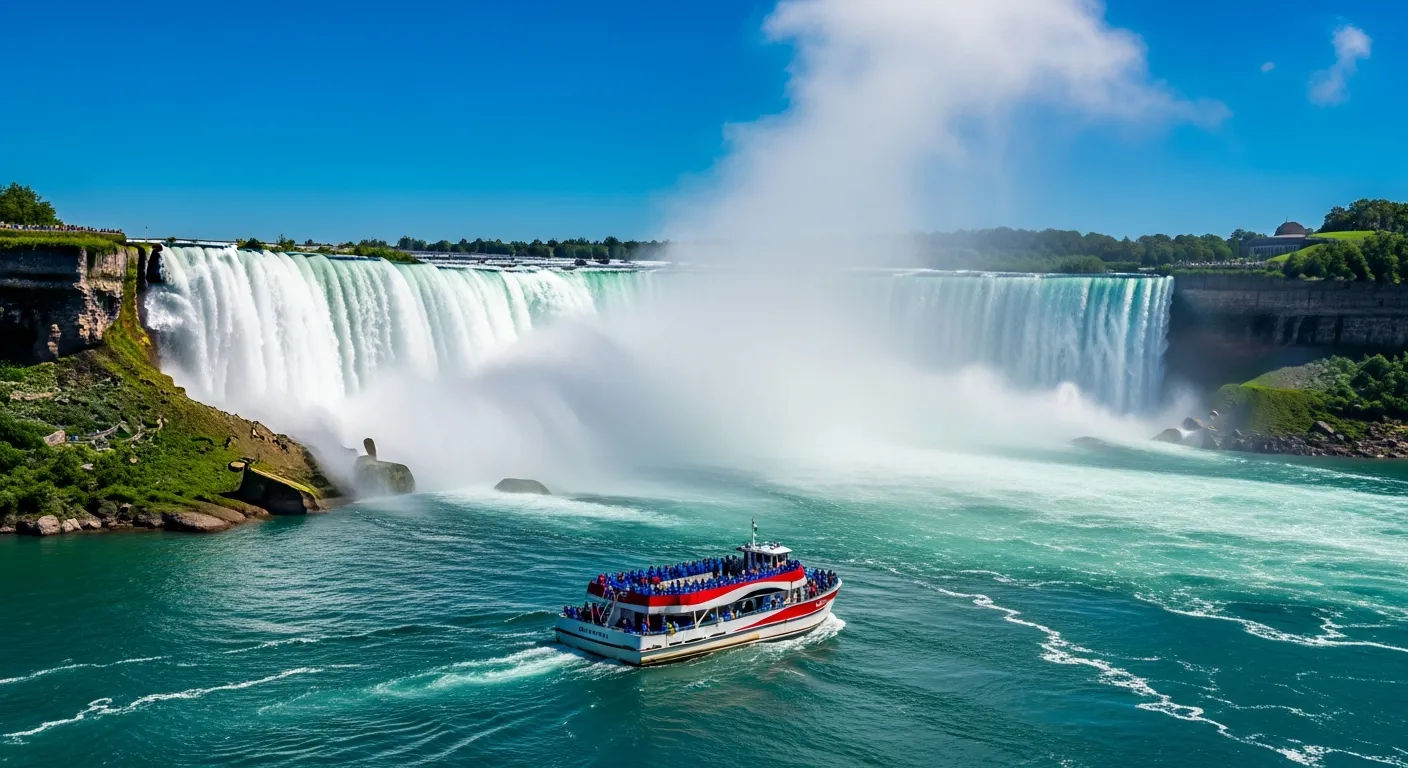
A boat cruise can add a close-up angle that land viewpoints cannot match. At night, the experience is more about atmosphere, sound, and spray than fine detail. It can be memorable, but it also adds boarding time, waiting time, and movement between the dock and the falls. For some evenings, that is a fair trade. For others, it makes the schedule feel crowded.
Check whether the cruise is included or simply offered nearby. If it is included, look at the order of the route. A cruise before the main illuminated viewing can work well, while a late add-on may leave little time to settle at a viewpoint. If it is optional, decide in advance whether you want it. That prevents a last minute choice that eats into the rest of the night.
Weather also plays a part. Spray, wind, and cooler air can make a boat ride feel very different after sunset. Waterproof layers are useful, and cameras or phones need protection. Anyone sensitive to motion or cold may prefer to stay on land and enjoy the falls from a steady viewpoint.
Read the pace, group size, and meeting details
Practical details often decide whether a night feels smooth or frustrating. Look for the expected duration, the amount of walking, and the way the group moves between stops. A small group can feel easier around crowded viewpoints, while a larger group may move more slowly. Neither is automatically better. The right fit depends on whether the priority is quiet viewing, steady commentary, or simple convenience.
Meeting details deserve close attention. Confirm the exact place, the time to arrive, and what happens if the group separates at a busy stop. Clear instructions make a big difference after dark, when signs are harder to read and phone screens can be distracting. Some visitors find it useful to compare these details with the broader information available on niagarafallstour.co before making a final choice.
Ask how the end of the tour works as well. A route that finishes near transit, parking, or your accommodation is easier than one that drops people at an awkward edge of the park. If the evening ends late, check the walk back and whether the route passes through quiet or poorly lit areas. Comfort matters after the excitement of the falls has faded.
Think about photography before booking
Photography tips are worth considering even for casual phone users. Night scenes are bright in patches and dark everywhere else, which can confuse automatic settings. A steady grip, a clean lens, and a moment to let the eyes adjust can improve results. If the route includes a bridge, deck, or promenade, look for places to pause away from the busiest flow of people.
Bring only what can be carried comfortably. A compact camera or phone is easier to manage than a large kit, especially if the route includes stairs, damp paths, or a boat. Keep spare batteries warm in cold weather and leave space in a bag for a cloth to wipe away spray. Avoid stepping over barriers or moving close to railings for a better angle, as the ground near the falls can be slick.
Also think about what you want the photos to show. Wide views capture the scale of the falls, while closer frames show water, light, and movement. If the lighting schedule allows time before and after the main display, use that window to compare angles. The best image often comes from staying in one good spot a little longer, not from racing between every viewpoint.
Confirm comfort, accessibility, and final conditions
Before committing, reread the tour details for anything that could affect comfort. Steps, long stands, exposed walkways, and uneven ground all matter more at night. If accessibility is a concern, look for clear information rather than vague promises. A route that avoids stairs but includes longer walking may still be the better choice for some people.
Check what happens in poor weather. Rain does not necessarily ruin the falls, but it can change visibility and make paths slippery. A good plan leaves room for slower movement and safer footing. If conditions become severe, local operators and park authorities may adjust access, so flexibility is useful.
Finally, compare the full evening as a whole. The strongest niagara falls night tour is not always the longest or the one with the most stops. It is the one that gives the group enough time at the falls, fits the season, respects the lighting schedule, and ends in a place that is easy to reach. When route, timing, comfort, and viewpoint quality line up, the night feels far more relaxed and the falls get the attention they deserve.